

Life and Career Design
meaningful careers
Blog
Featured
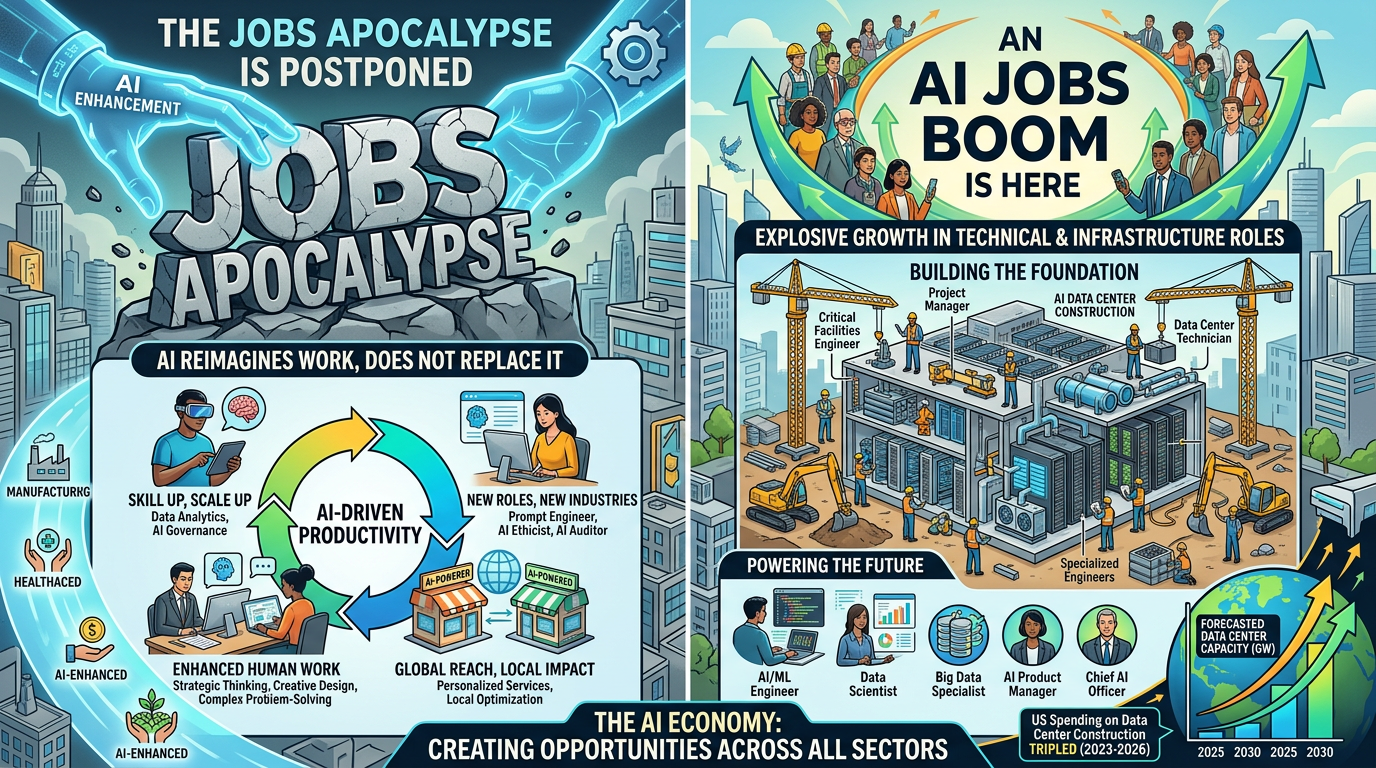









Recent evidence suggests that AI has created more jobs than it has eliminated.
Artificial Intelligence (AI) is transforming jobs, skills, and careers.
Some roles are being reduced through AI-driven automation; new AI jobs and career opportunities are emerging.
„Make good use of the bonus time until the job churn starts!”
How to Work with a Career Coach Successfully!
In this article, we look at:
Starting the coaching relationship
Career questions
Personality, talents & skills
Life and career
Career strategy
Action planning
The roles of the career coach
Your contribution
How to Select the Right Career Coach!
Not every competent career coach is necessarily the right coach for you. In this video, we look at four important factors when selecting a career coach:
• Personal chemistry – Do you feel comfortable and understood?
• Trust – Can you openly share your situation and goals?
• Credentials & experience – Does the coach have the right qualifications and relevant experience?
• Financials – Are the fees and payment terms clear and appropriate?
This is the second article in the Career Coaching series.
Are you still on the right career path?
How can you earn more—or find work that is more meaningful?
And what will happen to your job as AI and technology transform the world of work?
In this video, I explore three major career challenges:
1. The Blind Spot
2. Understanding What It Takes
3. Understanding the Future Career Context
What does it take to get booed by thousands of university graduates? In 2026, apparently, talking positively about Artificial Intelligence.
At several U.S. university commencement ceremonies in 2026, speakers were booed after discussing Artificial Intelligence and its impact on the future of work. Among them was former Google CEO Eric Schmidt, who addressed graduates at the University of Arizona.
Why such a strong reaction in a country that has traditionally embraced technological innovation?
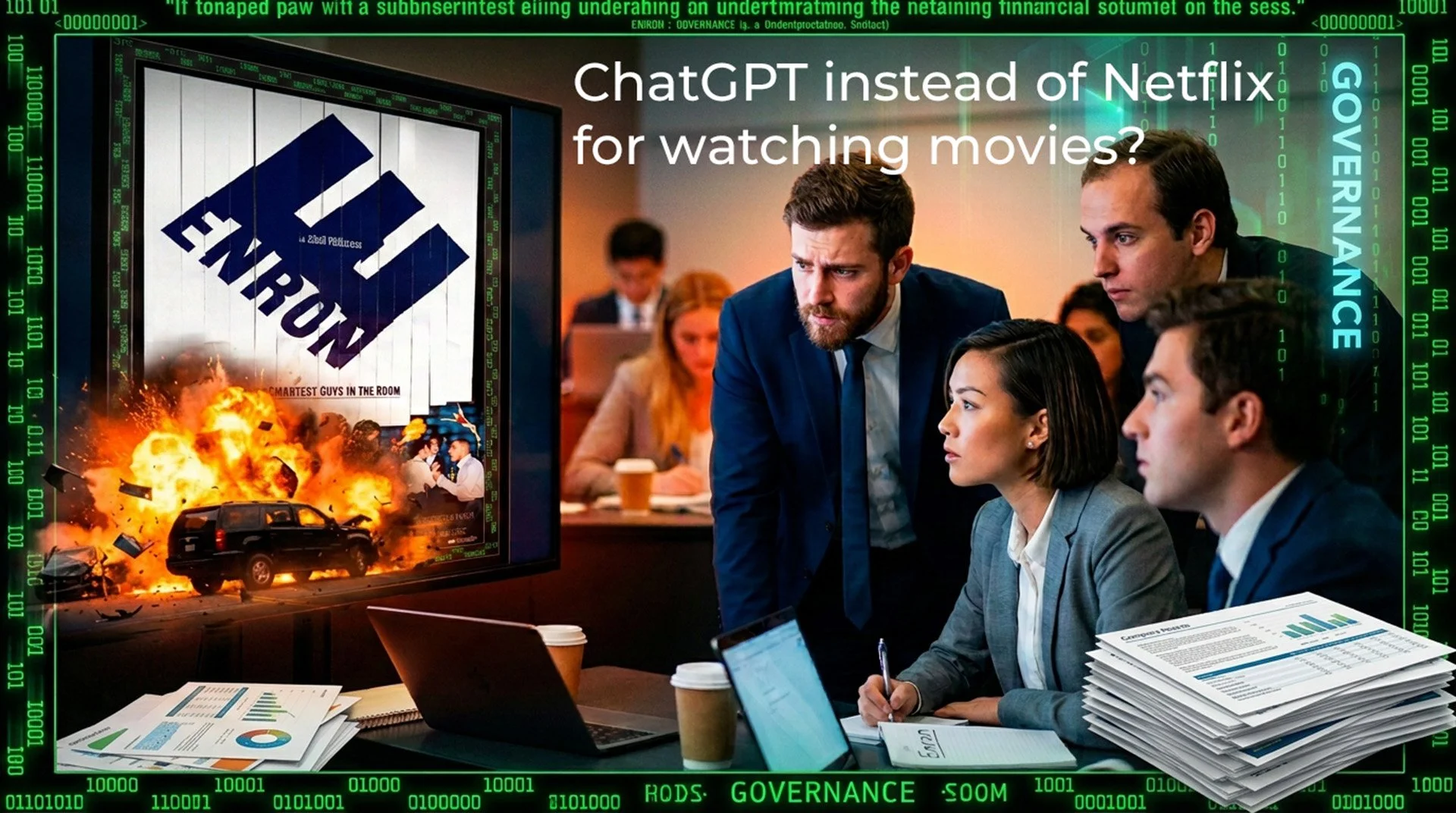
Why don't we simply use ChatGPT or NotebookLM to "watch" movies or summarize complex books? In this video, I explore a provocative question that originated in a corporate governance course for Executive MBA students.
CONTENT
The efficiency fallacy: Why quickly solving tasks with AI is useful in everyday work, but often hinders learning transfer in learning.
The psychology of understanding: Why neural connections in the brain only occur through personal experience and active engagement, such as watching an original film or creating your own mind maps.
Knowledge vs. orientation: Why summaries by authors like Yuval Noah Harari can never replace the deeper understanding needed for complex decisions in a rapidly changing world.
Learn how to use AI tools effectively without neglecting your cognitive and emotional skills. Stay curious!
Warum nutzen wir nicht einfach ChatGPT oder NotebookLM, um Filme zu „schauen“ oder komplexe Bücher zusammenzufassen? In diesem Video gehe ich einer provokanten Frage nach, die ihren Ursprung in einem Corporate-Governance-Kurs für Executive-MBA-Studierende hat.
Inhalt des Videos:
Der Effizienz-Trugschluss: Warum das schnelle Lösen von Aufgaben mit KI im Berufsalltag sinnvoll ist, beim Lernen aber oft den Lerntransfer verhindert.
Die Psychologie des Begreifens: Warum die neuronale Vernetzung im Gehirn nur durch eigene Erfahrungen und aktive Auseinandersetzung – wie das Sehen eines Originalfilms oder das Erstellen eigener Mindmaps – stattfindet.
Wissen vs. Orientierung: Warum Zusammenfassungen von Autoren wie Yuval Noah Harari niemals das tiefere Verständnis ersetzen können, das man für komplexe Entscheidungen in einer sich schnell verändernden Welt benötigt.
„Wie sabotiert man sich am besten selbst, um seine Projektziele zu erreichen?“
Viele von uns sind wahre Meister darin, sich selbst am Erfolg zu hindern. Wenn Sie Ihre Projektziele wirklich vermeiden wollen, brauchen Sie eine Strategie, Disziplin und die feste Entschlossenheit, konsequent alles Falsche zu tun.
I just published a research article on the impact of artificial intelligence on work.
„AI is a net job creator, not a job killer!“
A significant replacement of human labor by AI is not expected until 2030. However, AI skills become important and job-relevant during this period.
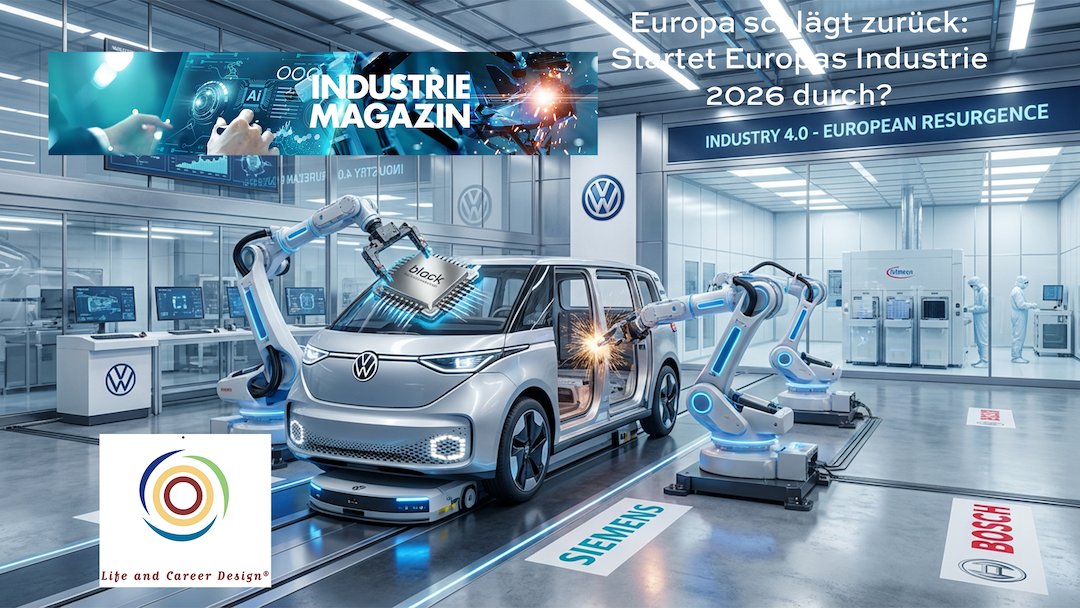
Das INDUSTRIEMAGAZIN hat im Jahre 2025 Top-recherchierte Beiträge über die europäische Wirtschaft geliefert, doch waren diese klar in Moll und nicht in Dur gestimmt. Eine depressive Grundstimmung herrschte vor. Zum Jahresbeginn bringe ich Ihnen folgenden Beitrag, um zu zeigen, dass Europas Industrie Innovatives zu bieten hat.
Work will be optional! Really? Elon Musk & Jensen Huang
Elon Musk offered a long-term prediction that work will become optional (perhaps in 10 to 20 years), similar to playing a video game or growing vegetables in a backyard as a hobby.
Jensen Huang countered with a near-term perspective, suggesting that while everyone's jobs will change and people will be more productive, they will likely be busier. This increased productivity frees up time to pursue the numerous ideas and backlog items that people or companies have.
Quality Assurance in Higher Education: Focusing on What Truly Matters?
The prime directive: Students should be supported to succeed in their lives and careers.
New Challenges Require New KPIs
The Cost of Irrelevance
Aligning Accreditation With the Prime Directive
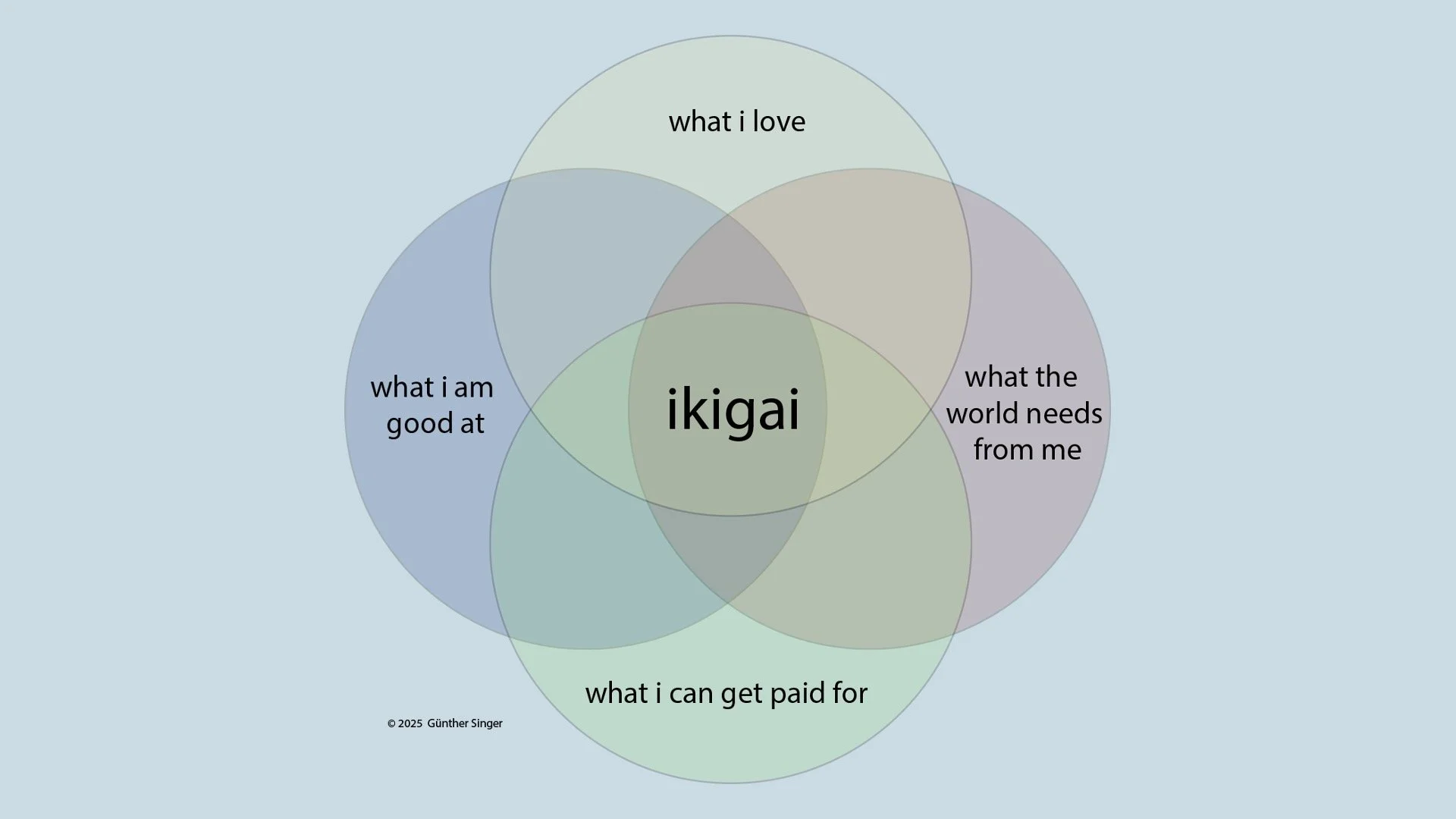
Ikigai: What is the Purpose That Powers Your Career? (Finding Your Reason for Being)
This blog explores ikigai (生き甲斐), a powerful concept that can transform your career and life. Often translated as “a reason for being”,
Links to Western Psychology
Finding Your Ikigai
Self-Reflection
Personality assessments
PSA - Personal Structure Analysis®
Myers-Briggs Type Indicator
Coping with Career Challenges